What to Expect During a Roof Removal Project
People seeking roof removal usually want to safely and efficiently remove their old roof; local contractors can handle the job professionally and ensure proper disposal.
Understanding what to expect during a roof removal project can help property owners feel more prepared and confident as they explore options for upgrading or replacing their roofs. This process often involves careful planning and coordination with local contractors who specialize in roof removal services. Whether preparing for extensive repairs or a complete overhaul, knowing the typical steps involved can make the experience smoother and less stressful. Property owners in the area who are considering a roof removal may find it helpful to learn about how professionals handle the project from start to finish, ensuring safety, efficiency, and quality results.
Local service providers are experienced in managing the complexities of roof removal, which can include removing old materials, inspecting underlying structures, and preparing the space for a new roof. By understanding what occurs during the process, property owners can better anticipate what will happen on-site and how each stage contributes to a successful project. This knowledge not only helps in making informed decisions but also highlights the importance of hiring skilled contractors for a job that requires precision and expertise. Keep reading to discover more about the typical steps involved and how local pros can assist throughout the project.
- Complete roof removal - needed when replacing an old or damaged roof, with local contractors carefully stripping away existing materials to prepare for a new installation.
- Asphalt shingle removal - required when upgrading or repairing shingle roofs, with service providers efficiently removing shingles while managing debris cleanup.
- Tile roof removal - necessary for roof repairs or replacements involving tile materials, with pros employing specialized techniques to preserve underlying structures.
- Flat roof removal - performed during renovations of flat roofing systems, with local contractors using appropriate tools to safely dismantle the existing membrane or coating.
- Roof tear-off and replacement - essential when a roof has reached the end of its lifespan, with service providers managing the entire removal process to facilitate a new roof installation.
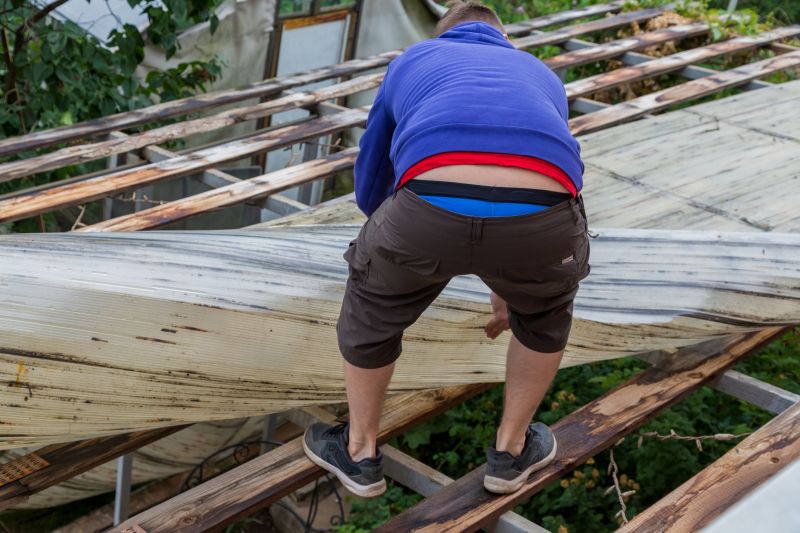
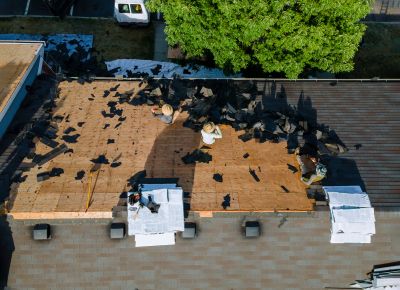
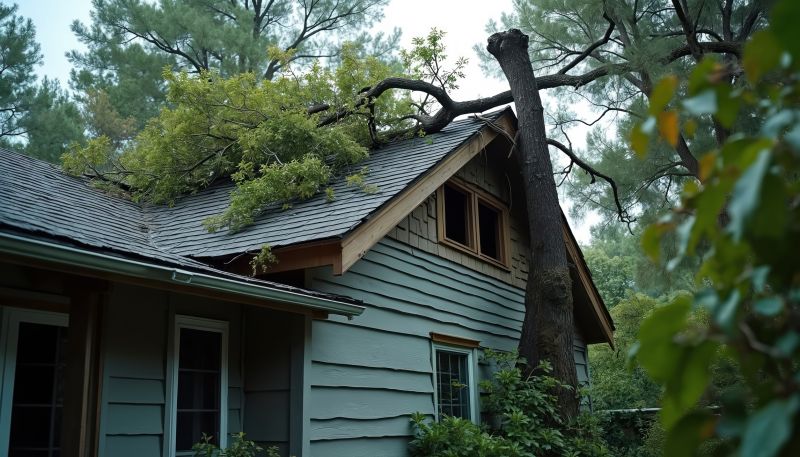
When searching for information about what to expect during a roof removal project, homeowners are often looking to understand the overall process involved in tearing off an existing roof and preparing for a new installation. This phase is typically part of larger plans to replace an aging, damaged, or outdated roof that no longer provides adequate protection or curb appeal. People may also be considering roof upgrades, repairs after severe weather damage, or addressing underlying issues like leaks or structural concerns. Understanding the scope of work helps homeowners prepare for the disruption, know what tasks are involved, and recognize the importance of hiring experienced local contractors who specialize in roof removal.
Roof removal projects are closely related to a variety of property problems and renovation plans. Common issues prompting a roof removal include extensive shingle or material deterioration, persistent leaks, or damage caused by storms or pests. Sometimes, homeowners opt for a complete replacement to improve energy efficiency or to upgrade to more durable roofing materials. These projects are also common during larger home renovations or additions, where a new roof is needed to match updated construction. Recognizing the specific problems or goals behind a roof removal helps homeowners understand what to expect during the process and why professional service providers are crucial for a safe and effective job.
The types of properties that typically require roof removal vary widely but often include residential homes, especially those with aging or damaged roofs. Single-family houses are the most common, but roof removal is also necessary for multi-family buildings, apartment complexes, and small commercial properties. The size, style, and construction of the property influence the complexity of the project, with larger or more complex roofs requiring more planning and coordination. Local contractors experienced in roof removal are familiar with the unique challenges posed by different property types and can adapt their approach accordingly, ensuring the project proceeds smoothly and efficiently.
During a roof removal, homeowners can expect a series of practical steps that involve preparation, removal, and cleanup. The process generally begins with protecting the property and yard from debris, followed by carefully stripping away the existing roofing materials. This can be noisy and dusty, so homeowners should prepare for some disruption. Once the old roof is removed, the underlying structure is inspected for damage or needed repairs before the new roofing materials are installed. Throughout the project, local service providers coordinate the work to ensure safety and quality, helping homeowners understand each stage and what to anticipate. Working with experienced pros helps ensure the job is completed properly and minimizes surprises along the way.
Asphalt Shingle Removal - This project involves stripping away old shingles, requiring similar tools and planning as roof removal to ensure proper disposal and surface preparation.
Roof Deck Replacement - Replacing damaged or rotted roof decking shares techniques in surface assessment and material handling with roof removal services.
Gutter and Fascia Replacement - Installing or repairing gutters and fascia involves working at roof edges, often coordinated with roof removal to ensure a seamless finish.
Attic Insulation Removal - Removing and replacing attic insulation requires careful access and debris management akin to roof tear-off processes.
Flashing and Vent Replacement - Updating roof flashing and vents involves detailed work in roof penetrations, similar to the planning during roof removal.
Roof Inspection and Assessment - Conducting thorough inspections to evaluate roof condition employs similar assessment skills used during roof removal planning and execution.
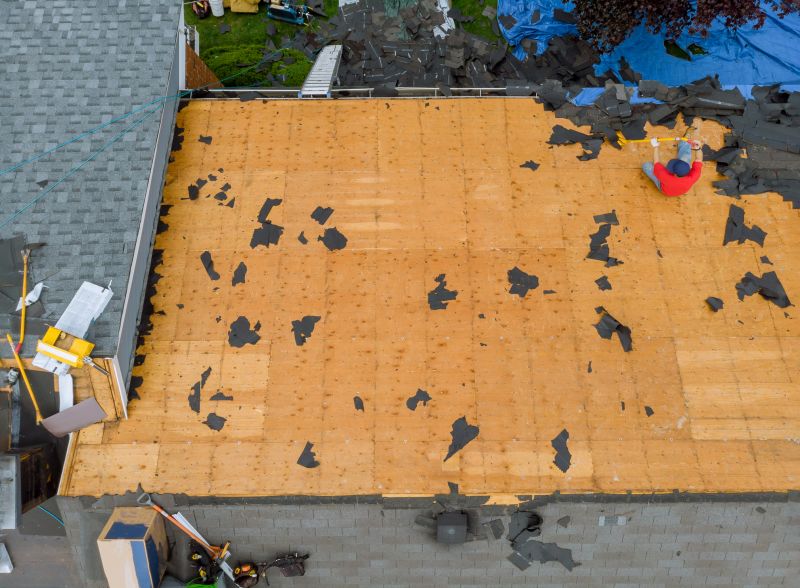
When evaluating local contractors for a roof removal project, it is important to consider their experience with similar types of work. Service providers who have a proven track record handling roof removals can better anticipate potential challenges and ensure the process proceeds smoothly. Homeowners should inquire about the number of comparable projects completed and seek details about how those projects were managed, which can provide insight into the contractor’s familiarity with the specific demands of roof removal work.
Clear, written expectations are essential for a successful project. Reputable local pros will provide detailed estimates and scope of work that outline each phase of the roof removal, including preparation, debris disposal, and safety considerations. Having this information in writing helps ensure that both parties are aligned on the process, reducing misunderstandings and making it easier to address any questions or concerns before work begins.
Effective communication and reputable references are key factors to consider when choosing a service provider. Contractors who are transparent about their processes and willing to share references demonstrate professionalism and accountability. Homeowners should seek out reviews or testimonials from previous clients to gauge the contractor’s reliability and responsiveness. Good communication throughout the project can help manage expectations, clarify any issues that arise, and foster a smoother experience during what can be a disruptive process.
Property owners often search for what to expect during a roof removal project when they are planning practical projects around their homes and businesses. Local pros provide Roof Removal services for everyday jobs and straightforward project options.
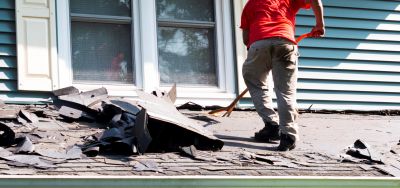
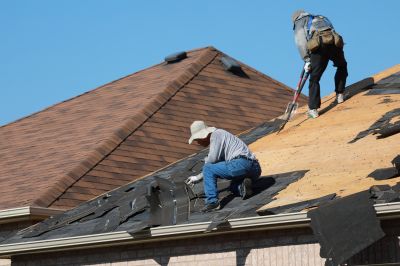
During a roof removal project, property owners can expect to see a typical sequence of activities that involve careful preparation and coordination. Local contractors usually start by protecting the surrounding areas and ensuring safety measures are in place. As the old roofing material is removed, there may be some debris and dust, which is a normal part of the process. Homeowners might also notice temporary disruptions, such as noise from equipment and workers moving around the property. These are standard situations that occur during roof removal and are managed by experienced service providers to keep the project on track.
Understanding what to expect during a roof removal project can help property owners plan accordingly. Common scenarios include the presence of heavy equipment and crews working on the roof, often requiring clear access to the property. Property owners may also observe the removal of old shingles, decking, or other roofing components, which is necessary before new materials are installed. Local contractors are equipped to handle these everyday project situations efficiently, ensuring that the work progresses smoothly and safely. Connecting with experienced service providers can provide clarity and confidence throughout the process.
What is the typical process during a roof removal project? During a roof removal, local contractors usually start by preparing the site, then carefully strip away the existing roofing materials, and finally prepare the surface for the new roof installation. This process ensures the old roof is safely removed and the underlying structure is ready for the next phase.
How do local service providers handle debris and waste during a roof removal? Local pros typically manage debris by using tarps, dumpsters, or debris chutes to contain and remove old roofing materials efficiently. They ensure the work area remains safe and clean throughout the project.
Will there be noise and disruption during a roof removal? Yes, roof removal involves loud activities like tearing off old roofing materials, which can generate significant noise and vibrations. Local contractors usually coordinate work hours to minimize inconvenience for residents.
What should homeowners expect in terms of site safety during a roof removal? During a roof removal, contractors implement safety measures such as barriers and warning signs to protect residents and workers. They also ensure proper handling of materials to prevent accidents.
How do local pros prepare the roof surface for a new installation? After removing the old roof, contractors inspect and repair the underlying structure if needed, then install a new underlayment and roofing materials, ensuring a solid foundation for the new roof.
Preparing the workspace - property owners should clear the area around the home to ensure safe and efficient access for the removal team.
Understanding the process - knowing what steps are involved can help property owners plan for temporary disruptions during the project.
Managing debris and waste - local contractors typically handle debris removal, but property owners can prepare by removing valuable or fragile items nearby.
Post-removal inspections - after the old roof is removed, a thorough inspection by local pros can identify any underlying issues needing attention before new roofing begins.
If you are thinking about what to expect during a roof removal project for a property, this guide is meant to help you understand this topic, the typical project types, and how different options might fit your plans.
When you are ready, you can use the quote form on this page to share a few details about your project. From there, local pros can review the basics and follow up with options that match what you have in mind.